
SeniorMedRides.com Research
Research & Insights · Foundations series, No. 1 of 3
Research & Insights
What Transportation Independence Really Means for Older Adults
For older adults, transportation independence is about more than owning a vehicle. It is about having reliable ways to reach the places, people, and services that make everyday life possible.
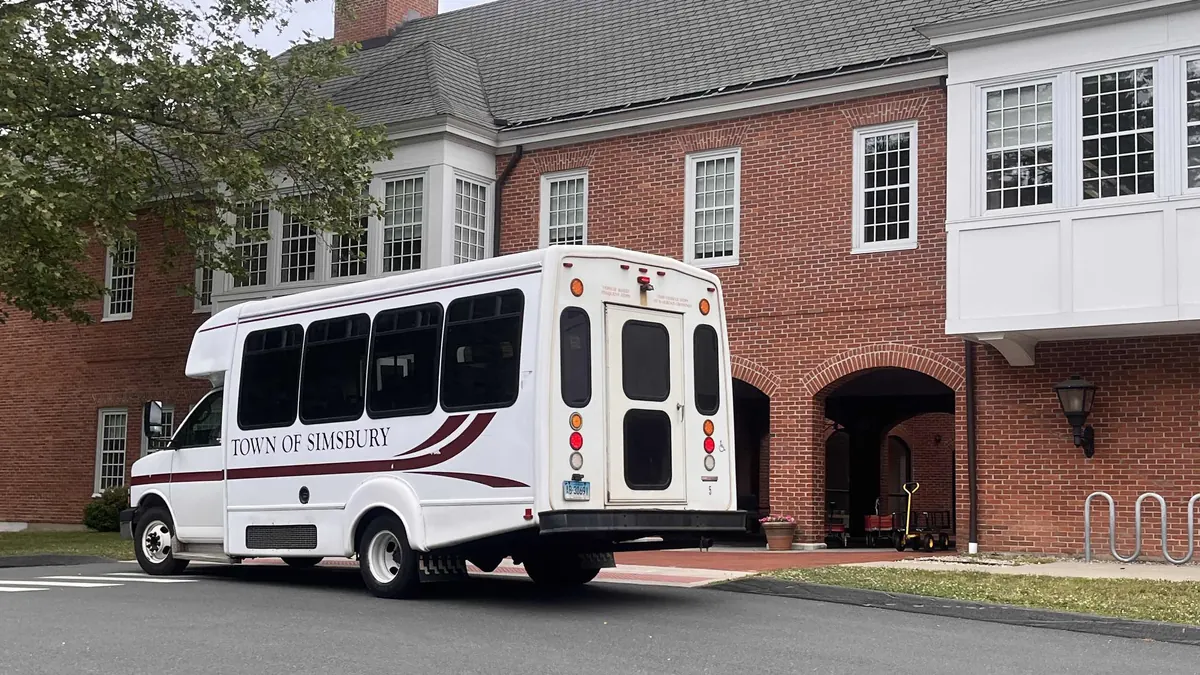
For much of adult life, transportation is something we rarely think about. We get into the car, drive to the grocery store, visit a friend, attend an appointment, or stop by the pharmacy. The ability to go where we need to go becomes part of our daily routine.
As we grow older, that relationship with transportation can change. Some people continue driving well into their eighties and nineties. Others gradually reduce their driving, stop driving at night, or decide that certain trips have become too demanding. Still others live in households without a vehicle at all.
Yet one important distinction is frequently overlooked: living without a car is not the same as living without transportation. Understanding that difference is essential for families, community planners, healthcare organizations, and anyone working to improve mobility for older adults.
What Does It Mean to Live Without a Vehicle?
The U.S. Census Bureau’s American Community Survey (ACS) collects information about whether households have vehicles available for their use. This provides a valuable starting point for understanding transportation access.
However, a household without a vehicle is not necessarily a household without transportation options. An older adult might rely on public transit, a community shuttle, a transportation service, a neighbor, or family members. In some communities, essential destinations may be close enough to reach on foot.
The reverse is equally important. Having a vehicle in the household does not necessarily mean an older adult can use it independently. A person may no longer drive, may share a vehicle with another household member, or may have difficulty getting into and out of a car.
Vehicle availability is therefore one indicator of transportation circumstances—not a complete measure of mobility or independence.
Transportation Independence Is More Than Driving
Transportation independence is sometimes defined too narrowly. The question is not simply whether someone can continue driving. A more useful question is: Can this person reliably get where they need and want to go?
- Availability
- Is there a transportation option when a trip is needed?
- Accessibility
- Can the person safely reach, enter, use, and exit the vehicle?
- Affordability
- Is the transportation option financially sustainable, especially for recurring trips?
- Reliability
- Can the person reasonably expect the ride to arrive and complete the journey as arranged?
- Appropriate assistance
- Does the service provide the level of help the passenger needs?
- Choice
- Can the person travel for personal, social, and recreational purposes—not only medical appointments?
A transportation system may perform well in one dimension and poorly in another. A community may have public transportation routes but limited options for someone who cannot walk to a bus stop. Another may offer medical transportation while providing few practical options for shopping or social activities.
Why Geography Matters
Transportation options vary considerably across the United States. In dense urban neighborhoods, older adults may have access to buses, rail service, taxis, and transportation providers. But these services are not necessarily accessible or affordable for every resident.
In suburban communities, destinations may be separated by busy roads, large parking areas, and distances that make walking impractical. In rural communities, medical facilities and essential services may be many miles away, with limited transportation alternatives.
Transportation is shaped not only by personal circumstances but also by the design and resources of the surrounding community.

The Difference Between Transportation Access and Transportation Need
Researchers and policymakers often use demographic information to identify communities where transportation barriers may exist. Census data can describe how many older adults live in households without vehicles or report serious difficulty walking or climbing stairs.
These measures do not establish how many people missed medical appointments, require non-emergency medical transportation, or cannot leave home. Those questions require additional information.
- Population characteristics ask who lives in a community.
- Transportation availability asks what services exist.
- Transportation use asks how people actually travel.
- Unmet transportation need asks which necessary or desired trips cannot be completed.
These are related questions, but they are not interchangeable. Our companion article, How We Measure Senior Transportation Access, explains what each kind of evidence can and cannot show.
What Families Can Do
Families can begin by looking beyond whether an older adult should continue driving. A practical transportation conversation explores which destinations matter most, what assistance is needed, and which options are available for different types of trips.
Someone who can comfortably ride in a family sedan may still need a different arrangement after surgery. A person who uses a wheelchair may require an appropriately equipped vehicle (see When Walking Becomes Difficult, Transportation Changes). Someone comfortable traveling during the day may prefer assistance for evening appointments.
The goal is a transportation plan that adapts as circumstances change, often using several options rather than relying on one provider or family member.
Find a ride. SeniorMedRides lists non-emergency medical transportation providers, paratransit and volunteer driver programs in these cities:
Building a Better Picture of Senior Transportation
SeniorMedRides is developing a research program examining older-adult mobility, household vehicle access, geographic differences, and transportation service availability across eight U.S. study areas. The objective is to help families, transportation providers, healthcare organizations, and community planners better understand where challenges may arise and what additional information is needed.
The research distinguishes measurable population characteristics from assumptions about transportation demand, service shortages, or individual circumstances. Supporting methodologies, local market information, and research resources will be published as findings receive approval.
Independence Is About Access, Not Ownership
An older adult does not necessarily need to own a car to remain independent. But they do need practical, reliable ways to participate in everyday life. That might mean a ride to a medical appointment, transportation to a family celebration, a trip to the grocery store, or the ability to visit a friend.
The measure of transportation independence is not simply whether a vehicle is parked in the driveway. It is whether the person still has meaningful opportunities to go where life takes them.
Citing this article
SeniorMedRides.com, “What Transportation Independence Really Means for Older Adults,” November 2026, https://seniormedrides.com/research/transportation-independence/
Sources and Further Reading
Related research. Census-based findings for eight U.S. study areas are in the Senior Transportation Access Report, Version 1.0, with a fact sheet for each study area. How many older adults live alone without a household vehicle is the subject of Aging Without a Car, Version 1.0.
Medical emergency? Call 911. This article is general information, not medical, legal or insurance advice.