
SeniorMedRides.com Research
Research & Insights · Foundations series, No. 2 of 3
Research & Insights
When Walking Becomes Difficult, Transportation Changes
The distance to a vehicle, the height of a step, and the assistance available at a destination can determine whether a transportation option is practical for an older adult.

Transportation is often described in terms of vehicles, routes, schedules, and destinations. But for someone who has difficulty walking or climbing stairs, the journey begins long before the vehicle moves.
It may begin with getting safely through the front door, walking down a driveway, navigating a curb, or reaching the place where a driver is waiting. A transportation service may be available in a community and still be difficult for a particular person to use.
The Journey Begins at the Front Door
Consider a routine medical appointment. For one person, the trip involves walking to the car, sitting down, and traveling to the clinic. For another, the same appointment may involve negotiating steps, using a walker, getting into a vehicle with limited legroom, crossing a large parking lot, and finding the correct entrance.
The destination may be identical. The transportation requirements are not. Transportation planning should consider whether a passenger can reach the pickup location, board safely, remain comfortable during travel, exit the vehicle, and reach the intended destination.
Walking Difficulty Is Not the Same as Wheelchair Use
The American Community Survey asks whether a person has serious difficulty walking or climbing stairs. This is an important population measure, but it should not be confused with a count of wheelchair users.
People reporting serious walking difficulty may have a wide range of circumstances. Some walk independently but need frequent breaks. Others use a cane, walker, or wheelchair. The survey measure does not identify which mobility device someone uses or what transportation service they require. Transportation arrangements should be based on individual needs, not assumptions about a demographic category.
Matching the Ride to the Passenger
- Ambulatory transportation generally serves passengers who can travel seated in a conventional vehicle, although assistance needs may vary.
- Wheelchair-accessible transportation uses appropriately equipped vehicles for passengers who need to travel while remaining in a wheelchair.
- Assisted transportation may include help between a pickup point and a vehicle or between the vehicle and a destination.
- Stretcher transportation serves passengers who need to travel lying down and requires specialized arrangements.
Terminology is not always standardized. A service described as door-to-door may differ from door-through-door service, and even providers using the same term may offer different levels of assistance. Confirm exactly what is included before arranging a trip.
The Last Few Feet Can Be the Hardest
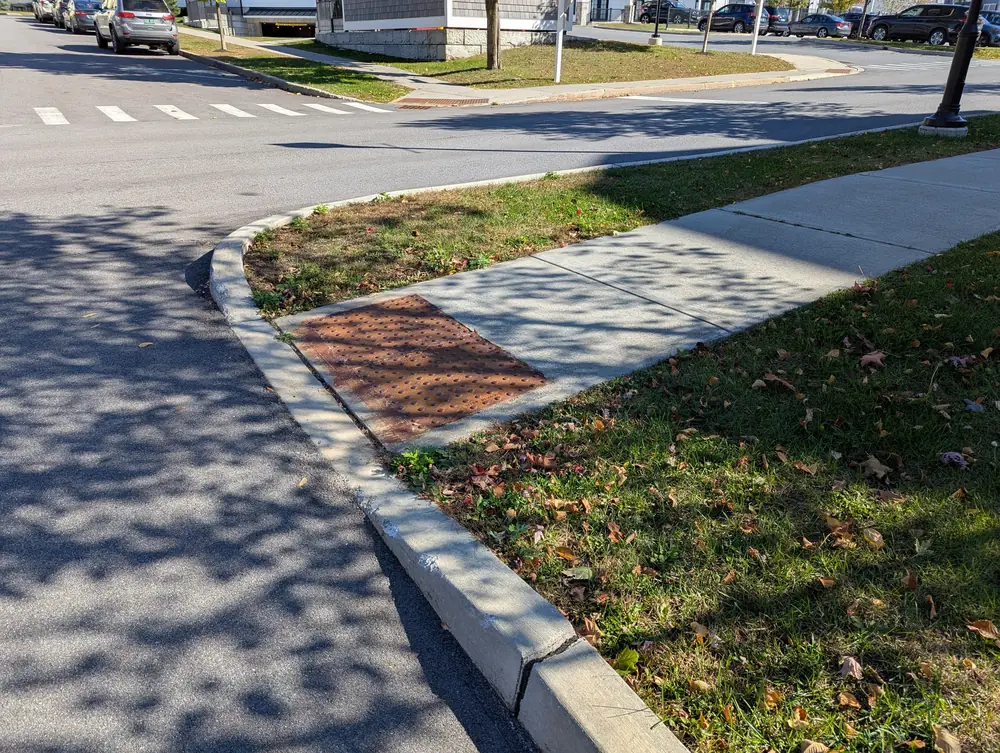
Accessibility does not end when a vehicle arrives. A passenger may still need to navigate a curb, sloped walkway, heavy entrance door, or long corridor. A clinic may have an accessible entrance but a distant drop-off point. A hospital may have several entrances for different departments. A residential building may have stairs or access restrictions.
These details should be considered before the trip begins.
Why Reliable Assistance Matters
The amount of assistance someone needs may change over time or from one appointment to another. A person recovering from surgery may need more help than usual. Someone attending dialysis may experience fatigue after treatment. A passenger who can manage a short walk in the morning may find it difficult later in the day.
When booking, ask whether the driver:
- Assists from the pickup location to the vehicle
- Helps with boarding and exiting
- Accommodates mobility devices
- Helps reach the building entrance
- Has restrictions on stairs, transfers, or physical assistance
Ask what happens if more help is needed than expected. Our questions to ask before you book cover these and other details.
What Population Data Can Tell Us
The ACS provides estimates of people reporting serious difficulty walking or climbing stairs. Researchers can examine these alongside household vehicle availability and other characteristics. Such analysis identifies population characteristics relevant to transportation planning.
It does not directly measure how often people travel, whether transportation services are available, or whether medical appointments are missed. A higher prevalence of walking difficulty does not automatically demonstrate a shortage of accessible transportation; service gaps require additional evidence.
What Transportation Providers and Communities Can Learn
Accessible transportation involves more than appropriately equipped vehicles. Providers and planners should consider scheduling, pickup procedures, boarding, driver assistance, destination access, and communication. Clear descriptions of curb-to-curb, door-to-door, or additional assistance help families make informed decisions.
Understanding where older adults with mobility limitations live can support further investigation into service coverage, accessibility, and discharge transportation planning.
Researching the Intersection of Mobility and Vehicle Access
SeniorMedRides is developing an eight-market research initiative examining serious walking difficulty and household vehicle availability among older adults. Census data describe these population characteristics and their geographic distribution. The research does not assume that everyone experiencing walking difficulty needs specialized transportation or that everyone without a household vehicle lacks access to a ride.
Accessibility Is About Completing the Journey
A transportation service is useful only when the passenger can realistically use it. For older adults experiencing walking difficulty, that may depend on the steps between home and vehicle, driver assistance, equipment, and destination access. The essential question is not simply whether transportation exists. It is whether the arrangement works for the person making the trip.
Looking for a wheelchair-accessible ride? Compare wheelchair van providers listed in SeniorMedRides cities, then confirm the level of assistance with the provider before you book.
Citing this article
SeniorMedRides.com, “When Walking Becomes Difficult, Transportation Changes,” November 2026, https://seniormedrides.com/research/walking-difficulty-senior-transportation/
Sources and Further Reading
Related research. Census-based findings for eight U.S. study areas are in the Senior Transportation Access Report, Version 1.0, with a fact sheet for each study area.
Medical emergency? Call 911. This article is general information, not medical, legal or insurance advice.